 Track an order
 Buy It Again
 Favourites
 Manage account
 Rewards
 Subscriptions
 Find a store
 Help centre
How to recover from flu: ways to support your recovery

Written byJodi M Johnson

Reviewed byMolly Arnold, MSc Nutritionist

Summary
1What is the flu?
Flu, short for influenza, is a contagious respiratory illness caused by influenza viruses. It affects your nose, throat and lungs.
2How to support your recovery from flu
When recovering from flu, getting plenty of rest is important. Avoid rushing back into exercise or your usual activities.
3When should you seek medical advice for flu?
Most people with flu can recover at home, but medical advice should be sought if your symptoms are getting worse or aren't improving as expected.
The flu can hit hard. One minute you’re feeling fine and the next you’re dealing with a fever, aching muscles, a pounding headache and enough tiredness to keep you firmly on the sofa. The good news is that most people recover from flu at home with plenty of rest, fluids and a little patience.
While there’s no guaranteed way to make flu disappear overnight, there are practical steps you can take to ease your symptoms, look after yourself and support your recovery. With help from our nutritionist, Molly Arnold, here’s what you need to know about recovering from flu, managing symptoms at home and knowing when to seek medical advice.
What is the flu?
Flu, short for influenza, is a contagious respiratory illness caused by influenza viruses – and although they share some of the same symptoms, it's different from the common cold. It affects your nose, throat and lungs and can leave you feeling considerably more unwell than you might with a typical cold. Flu often comes on suddenly, with symptoms such as a high temperature, body aches, headaches, a dry cough and extreme tiredness. Some people also experience nausea, vomiting or diarrhoea.
The virus spreads mainly through respiratory particles released when an infected person breathes, talks, coughs or sneezes.1 This means it can pass between people relatively easily, particularly in crowded indoor spaces. Although most people recover without needing medical treatment, flu can sometimes cause serious complications, including pneumonia.2 Babies and young children, adults aged 65 and over, pregnant women and people with certain long-term health conditions may be at greater risk.2 Understanding your symptoms and knowing what to expect during the stages of flu recovery can help you look after yourself while your body fights the infection.
Cold or flu: how to know which you have
Wondering, ‘have I got a cold or flu?’. The two illnesses share some symptoms, but there are a few differences that may help you tell them apart. A cold usually develops gradually and mainly affects your nose and throat. Flu tends to start more suddenly and can leave you feeling exhausted, achy and unable to carry on with your usual activities. Here's how cold or flu symptoms typically compare.
Symptom | Common cold | Flu |
|---|---|---|
How it starts | Usually develops gradually | Often comes on suddenly |
Fever | Uncommon or mild | Common, sometimes with a high temperature |
Body aches | Usually mild | Often more pronounced |
Tiredness | Usually mild | Can be severe |
Headache | Sometimes | Common |
Runny or blocked nose | Very common | Can occur |
Sore throat | Common | Can occur |
Cough | Usually mild to moderate | Can be more pronounced |
Impact on daily life | Often manageable | May leave you unable to carry on as usual |
These are general patterns rather than a definitive way to diagnose an illness. COVID-19 and other respiratory infections can cause similar symptoms, too. If you're unsure whether you have a cold or flu, consider how quickly your symptoms appeared and how strongly they affect you. A sudden onset of fever, aches and significant fatigue is more typical of flu, but symptoms alone can’t confirm which infection you have.

How to support your recovery from flu
If you've come down with flu, you may be wondering how to recover from it as comfortably as possible. Although you can't reliably force the virus to clear more quickly, looking after yourself can help you manage symptoms and avoid becoming run down or dehydrated.
Get plenty of rest and sleep
When you're feeling poorly, it's tempting to push through your usual routine. However, flu can leave you feeling unusually exhausted. “When recovering from flu, getting plenty of rest is important,” says Molly. “Give yourself time to recover and avoid rushing back into exercise or your usual activities while you're still feeling unwell.”3 Try to get plenty of sleep at night and take naps during the day if you need them. You don't have to stay in bed constantly, and you may find that your energy returns gradually rather than all at once. Even when your fever has gone, you might still feel tired for several days or longer, so listen to your body and take things at your own pace.
Drink plenty of fluids
“A fever can increase fluid losses through sweating, making hydration particularly important,” says Molly. “Water, herbal teas and soups are all good options to help maintain your fluid intake while recovering.” 3 Keep an eye out for signs of dehydration, such as a dry mouth, dark urine, passing urine less often than usual or feeling dizzy. If you're unable to keep fluids down or you're becoming increasingly dehydrated, seek medical advice.
Eat what you can, when you can
Flu can affect your appetite, particularly if you have a fever, nausea or a sore throat. “It's common to lose your appetite when you're unwell,” says Molly. “Try smaller, manageable meals such as porridge, scrambled eggs on toast or soup to provide energy and nutrients without feeling too overwhelming.” You don't need to force yourself to eat large meals but try to have something when you feel able. Simple foods can be easier to manage when you're unwell. You could try:
soup or broth: a comforting way to take in fluids, with the option of adding vegetables, beans, chicken or noodles
toast, crackers or plain rice: useful if your appetite is low or your stomach feels unsettled
porridge or yoghurt: soft options that may be easier to eat with a sore throat
fruit and vegetables: provide vitamins, minerals and fibre when you're ready to eat them
eggs, beans or other protein-rich foods: help you meet your nutritional needs as your appetite returns
“Protein plays an important role in maintaining and repairing body tissues,” says Molly. “Including foods such as eggs, yoghurt, beans or chicken when you feel able to eat can help you meet your nutritional needs during recovery.”4
Manage your fever, aches and pains
A fever, headache and aching muscles can make flu particularly uncomfortable. You may be able to ease these symptoms with over-the-counter pain relief. Paracetamol or ibuprofen may help with fever, headaches and body aches, provided they're suitable for you. Always follow the instructions on the packaging and ask a pharmacist if you're unsure which medicine to take.
Check the ingredients of any cold and flu remedies you use. Some already contain paracetamol, so taking them alongside separate paracetamol tablets could mean you accidentally exceed the recommended dose. Ibuprofen isn't suitable for everyone, including some people with stomach ulcers, kidney problems or certain other health conditions. If you're pregnant, taking other medicines or managing a long-term condition, check with a pharmacist or healthcare professional before using it. Never give aspirin to children under 16 unless specifically prescribed by a doctor. Remember, these medicines help relieve symptoms; they don't eliminate the influenza virus or guarantee a shorter illness.
Soothe a sore throat and cough
A sore throat and persistent cough can make it difficult to sleep or feel comfortable – but a few simple measures may help.
Try a warm drink with honey and lemon: honey may help soothe a cough, while a warm drink can feel comforting on an irritated throat. Never give honey to a child under one year old.
Gargle with warm salt water: this may help soothe a sore throat in adults and older children who can gargle safely without swallowing the solution.
Keep drinks nearby: frequent sips of water can help keep your throat moist.
Avoid smoke and other irritants: cigarette smoke and strong fumes can aggravate a cough.
If a cough is keeping you awake, a pharmacist can advise whether a suitable cough remedy may help. Evidence for many cough medicines is limited, so they shouldn't be expected to cure the infection. Seek medical advice if your cough becomes significantly worse, you develop chest pain or you experience difficulty breathing.
Try a warm shower to ease congestion
A blocked nose can make it difficult to sleep comfortably when you have flu. A warm shower may temporarily help you feel more comfortable – and the moisture may ease the sensation of dryness in your nasal passages.5 Avoid very hot water, and don't lean over a bowl of boiling water to inhale steam. This can cause serious scalds, and there is little good evidence that steam inhalation speeds recovery.
If nasal congestion is particularly troublesome, ask a pharmacist about suitable treatments, such as saline nasal sprays. Some decongestants aren't suitable for everyone and may only be appropriate for short-term use.
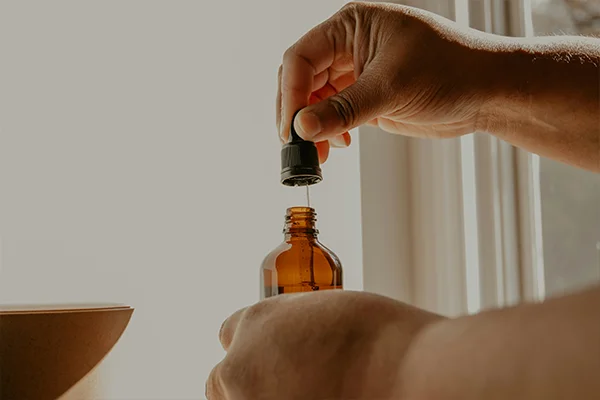
Herbal remedies and essential oils
When you're feeling under the weather, herbal teas and soothing scents can be a welcome part of your self-care routine. However, it's important to understand what they can and can't do.
Herbal teas might help you feel more comfortable, but they won’t treat flu. Ginger, chamomile and other herbal teas can provide a comforting warm drink and contribute to your fluid intake. Chamomile is often used as part of a relaxing bedtime routine, although evidence that it improves sleep is limited.
Echinacea is commonly found in herbal products marketed for colds and respiratory symptoms. Some preparations have been studied for the common cold, but the evidence is mixed, and it shouldn't be presented as a proven treatment for influenza.6 If you're considering echinacea or another herbal supplement, check with a pharmacist first, especially if you're pregnant, have a long-term health condition or take regular medicines.
Some people enjoy using lavender, eucalyptus or other essential oils as part of a relaxing routine. However, there is insufficient evidence that essential oils treat flu or shorten its duration. Essential oils can irritate the skin and airways or cause allergic reactions. Never swallow them or apply them directly to your skin without appropriate dilution and guidance. Follow the product label carefully, keep oils away from children and pets, and avoid inhaling concentrated vapours if they irritate your breathing. If a particular scent makes your cough or congestion worse, stop using it.
Stay home while you're feeling unwell
Although staying at home won't make the virus disappear more quickly, it gives you an opportunity to rest and helps reduce the chance of passing flu to other people. Try to avoid close contact with others while you have a fever or feel too unwell to carry on with your normal activities. If you live with other people, regular handwashing, covering coughs and sneezes and cleaning frequently touched surfaces can help reduce the spread of infection.
When should you seek medical advice for flu?
Most people with flu can recover at home, but some need medical advice or treatment. Contact your GP or NHS 111 for advice if:
your symptoms are getting worse or aren't improving as expected
you feel very unwell or are concerned about your recovery
you have a long-term condition, such as asthma, diabetes or heart disease, and flu is affecting you
you're pregnant, aged 65 or over, or otherwise at increased risk of complications
you're struggling to drink enough or have signs of dehydration
your fever persists, returns after improving or is accompanied by other concerning symptoms
If you're at higher risk of complications, seek advice early. Antiviral medicines may be appropriate for some people, particularly when treatment can begin promptly.7 A healthcare professional can assess whether they're suitable for you. Get urgent medical help if you experience:
severe difficulty breathing
sudden or persistent chest pain
new confusion, difficulty staying awake or a significant change in alertness
blue, grey or unusually pale lips or skin
severe dehydration or an inability to keep fluids down
Call 999 or go to A&E for a life-threatening emergency. Don't wait for every typical flu symptom to appear before seeking help if something feels seriously wrong.
What can you do to help avoid getting flu?
Although this article focuses on recovery, there are steps you can take to reduce your chances of catching flu in the future.
Get your annual flu vaccination
Vaccination is the main evidence-based way to reduce your risk of flu and its complications.8 Protection can vary from season to season, but getting vaccinated each year is important because influenza viruses change over time. In England, the NHS offers flu vaccination to eligible groups, which can include older adults, pregnant women, young children and people with certain health conditions.9
Practise good hygiene
Wash your hands regularly with soap and water, cover coughs and sneezes with a tissue or your elbow and dispose of used tissues promptly.
Reduce exposure when illness is circulating
Avoid close contact with people who are unwell where possible and consider improving ventilation in indoor spaces. If you become ill, staying home while you're feeling unwell helps protect others.
Look after your general health
Getting enough sleep, eating a balanced diet and staying physically active can support your overall wellbeing. However, these habits don't guarantee that you'll avoid flu, and they shouldn't be treated as a substitute for vaccination.
Flu recovery FAQs
For many people, the main symptoms of flu improve within about a week.10 Fever and body aches often ease over the first several days, although a cough and tiredness can last for another week or two, sometimes longer.10 The exact duration varies. If your symptoms are getting worse, aren't improving or are accompanied by warning signs, seek medical advice.
Most people start feeling better within five to seven days, but a full return to normal can take longer. The stages of flu recovery aren't identical for everyone. You might feel well enough to resume some daily activities while still experiencing fatigue or a lingering cough. Take things gradually and allow yourself extra rest if you need it. People with underlying health conditions or more severe infections may take longer to recover.
A balanced diet provides nutrients your body needs to function normally, taking extra vitamins or supplements hasn't been shown to reliably cure flu or speed up recovery once you're infected.11 “Although nutrients such as vitamin C, vitamin D and zinc contribute to normal immune function, there's limited evidence that taking additional supplements once you have flu will speed up recovery,” says Molly. “Focus on meeting your nutritional needs through a varied, balanced diet.” 11 If you suspect you have a nutritional deficiency or are considering supplements alongside regular medication, ask a pharmacist or healthcare professional for advice.
The final word
Flu can leave you feeling completely drained but remember that recovery takes time. Getting plenty of rest, drinking enough fluids, eating when you can and managing your symptoms can help you feel more comfortable while your body fights the infection. Everyone’s flu recovery journey is different, so don’t rush back into your usual routine just because you’re starting to feel better. Give yourself time to regain your energy and speak to a healthcare professional if your symptoms worsen, you’re not improving or you’re concerned about your health.
Looking for more support? Check out our best vitamins for immune system health, kickstart your day with our triple berry immunity bowl or whip up some zesty immunity cubes.
Disclaimer – This article provides informational advice and is not a substitute for medical care. Working with experts for accuracy, we take great care to ensure the information is up-to-date and relevant. However, you should always consult your GP or healthcare professional before using supplements or alternative products, particularly if you have medical conditions or are under supervision.
1 CDC. How Flu Spreads [Internet]. Influenza (Flu). CDC; 2024 [cited 2026 Nov 10]. Available from: https://www.cdc.gov/flu/spread/index.html
2 World Health Organization. Influenza (seasonal) [Internet]. Who.int. World Health Organization: WHO; 2025 [cited 2026 Nov 10]. Available from: https://www.who.int/news-room/fact-sheets/detail/influenza-(seasonal)
3 NHS. Flu [Internet]. NHS; [cited 2026 Oct 13]. Available from: https://www.nhs.uk/conditions/flu/
4 EFSA Panel on Dietetic Products, Nutrition and Allergies (NDA). Scientific opinion on the substantiation of health claims related to protein and growth or maintenance of muscle mass, maintenance of normal bone, and other functions. EFSA J. 2010;8(10):1811. Available from: https://doi.org/10.2903/j.efsa.2010.1811
5 How To Sleep With A Stuffy Nose | Sleep Foundation [Internet]. Sleep Foundation. 2023 [cited 2026 Nov 10]. Available from: https://www.sleepfoundation.org/physical-health/treatment-for-blocked-nose-at-night
6 Karsch-Völk M, Barrett B, Kiefer D, Bauer R, Ardjomand-Woelkart K, Linde K. Echinacea for preventing and treating the common cold. Cochrane Database of Systematic Reviews [Internet]. 2014 Feb 20 [cited 2026 Nov 10];(2). Available from: https://www.cochrane.org/CD000530/ARI_echinacea-for-preventing-and-treating-the-common-cold
7 Centers for Disease Control and Prevention. Flu Treatment [Internet]. Centers for Disease Control and Prevention. 2024 [cited 2026 Nov 10]. Available from: https://www.cdc.gov/flu/treatment/index.html
8 CDC. Benefits of the Flu Vaccine [Internet]. Flu Vaccines Work. 2024 [cited 2026 Nov 10]. Available from: https://www.cdc.gov/flu-vaccines-work/benefits/index.html
9 NHS. Flu Vaccine [Internet]. nhs.uk. 2024 [cited 2026 Nov 10]. Available from: https://www.nhs.uk/vaccinations/flu-vaccine/
10 Flu [Internet]. www.nhsinform.scot. [cited 2026 Nov 10]. Available from: https://www.nhsinform.scot/illnesses-and-conditions/infections-and-poisoning/flu/
11 NHS. Eating a Balanced Diet [Internet]. NHS. 2022 [cited 2026 Nov 10]. Available from: https://www.nhs.uk/live-well/eat-well/how-to-eat-a-balanced-diet/eating-a-balanced-diet/


