 Track an order
 Buy It Again
 Favourites
 Manage account
 Rewards
 Subscriptions
 Find a store
 Help centre
Pregnancy and immunity: how to support your immune system while pregnant

Written byH&B editorial team
Reviewed byLeila Weller-Kis

Summary
1How can pregnancy affect your immune system?
Instead of becoming weaker, your immune system adapts throughout pregnancy to help protect against infections while also supporting the growing baby.
2How to support your immunity during pregnancy
Immune support during pregnancy is particularly important – and there are a few small but necessary changes.
3How to support your immune system after pregnancy
Keeping hydrated, resting whenever possible and gradually getting back into gentle movement are good ways to look after your general health.
When you’re expecting a baby, your body undergoes some big changes – particularly when it comes to your immune system, which needs to work hard to keep both you and your unborn child well. That all sounds quite serious, but looking after your immune health is all about the basics – plus a few small-but-mighty extras. H&B Nutritionist Leila Weller-Kis is on hand to talk sleep, supplements and staying well while you're pregnant.
How can pregnancy affect your immune system?
You might have heard that your immune system becomes weaker when pregnant, but this isn't the whole story: "Our immune system adapts throughout pregnancy to help protect us from infections while also supporting our growing baby," explains Leila. "One important change is how the immune system responds to the baby. Because the baby carries genetic material from both parents, some of its cells are different from the mother's. Normally, our immune system can recognise unfamiliar cells as a potential threat, but during pregnancy, it adapts to allow the baby to grow and develop safely."1,2
Different immune responses become more or less active at different stages of pregnancy, helping to support your baby's development and prepare your body for birth. "So, although pregnancy can change how we respond to certain infections, it doesn't mean our immune system stops protecting us."1,2
How to support your immune system during pregnancy
Looking after your immunity in pregnancy is quite similar to any other time, except it's particularly important – and there are a few small but necessary changes. Here are some tips...
1. Eat a balanced diet
Eating a balanced diet with plenty of fruit, vegetables, whole grains, lean protein and healthy fats can help you get the vitamins and minerals you need to stay well throughout pregnancy.
"Citrus fruits, strawberries and peppers are great sources of vitamin C, while foods like lean meat, beans, lentils and fortified breakfast cereals can provide iron and zinc, which all play important roles in normal immune function," says Leila.3,4 "Try making a smoothie with strawberries, kiwi and pasteurised yoghurt for an easy way to include some vitamin C and protein in your day." Don't restrict any particular food group from your meal plans (other than foods not recommend during pregnancy) so include carbs, dairy (if you eat it) and healthy fats where possible.5
2. Keep on top of new vitamin requirements
While a well-balanced diet should be your main source of nutrients, supplements can be useful for supporting your health and, in some cases, they're recommended for a healthy pregnancy.6 "Pregnancy comes with specific nutritional needs, including folic acid and vitamin D," Leila explains.3,7 Vitamin D plays a role in immune health, as well as the development of your baby's bones and teeth, and the NHS recommends you take a 10μg (micrograms) vitamin D supplement every day between October and March if you’re pregnant.6
Plus, taking 400µg of folic acid every day before pregnancy and until you're 12 weeks pregnant helps support your baby's healthy development. Many pregnancy vitamins already include these, so always check the label. Not sure if something's suitable? Always follow NHS guidance and check with your midwife or GP before taking any additional supplements.
3. Stay up to date with vaccinations
The changes happening in your immune system during pregnancy may mean your body reacts differently to illness and infections.1,8 Keeping up to date with recommended vaccinations during pregnancy can help protect you and your baby against certain infections. The NHS currently recommends getting your flu, whooping cough and RSV jabs, and you can speak to your doctor for a full schedule of vaccinations you’ll need.7
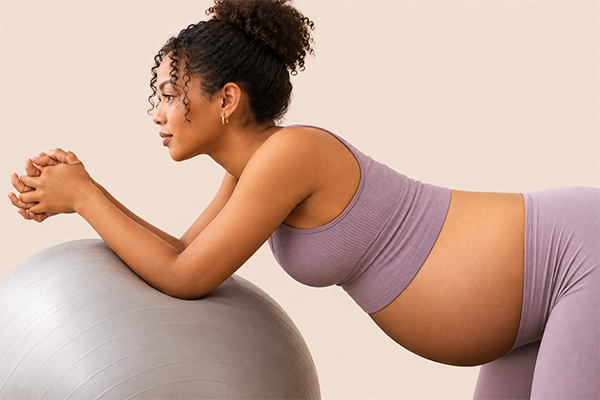
4. Exercise regularly
If you’re pregnant without complications – and unless you’ve been told otherwise by your doctor – then regular, moderate aerobic and strength exercises are a great way to stay fit, healthy and help look after your mental wellbeing.9 If you want to start slowly, try introducing gentler activities: "walking or pregnancy yoga, if it's safe for you," Leila suggests.
5. Get plenty of quality sleep
Sleep, especially deep sleep, can support normal immune function and recovery.10 While you're asleep, your body releases proteins called cytokines that help manage stress and protect against infections.11 However, it's common to have trouble sleeping during pregnancy.12 If it's difficult to fall asleep or stay asleep, it might be useful to try relaxation techniques like prenatal yoga or guided sleep meditations, stick to a regular bedtime routine or try a pregnancy pillow for extra support. If anxiety is keeping you up, it's a good idea to speak to your GP.
6. Stay well hydrated
Staying hydrated helps keep your body healthy, and it's especially important during pregnancy. You should continue to drink the recommended six to eight cups of fluid per day (water is best, though squash, milk, juices and decaf tea all count) and you may need more during pregnancy, particularly in hot weather or when you’re physically active.13,14
How to support your immune system after pregnancy
After having a baby, your body goes through another period of change as hormone levels shift and the immune system continues to adjust.15 It's also a time of recovery and, even though you might be thinking about your baby, it's a crucial time to look after yourself too.
"I'd recommend focusing on small, manageable habits rather than putting pressure on yourself to do everything perfectly," says Leila. "Eating regular, balanced meals with plenty of fruit and vegetables, whole grains and protein-rich foods can help you get the nutrients your body needs. Keeping hydrated, resting whenever possible and gradually getting back into gentle movement, such as short walks with your baby, are also good ways to look after your general health."16,17
If you're breastfeeding, your nutritional needs may be different, so it's worth checking that you're getting enough of the right nutrients, including vitamin D – speak to your GP or health visitor if you're unsure.18
Pregnancy and immunity FAQs
Not necessarily. Being pregnant doesn't automatically mean you'll catch more colds or infections, but the changes happening in your immune system and body can affect how you respond to certain illnesses.1,8 "Pregnant women have a higher risk of becoming seriously unwell from infections such as flu and COVID-19 compared with women who aren't pregnant," says Leila. "This is partly linked to changes in the immune system, as well as changes in how the heart and lungs work during pregnancy.8,19
"That doesn't mean you need to worry about every cough or cold, but it's important to take extra care. Keeping up to date with recommended vaccinations, practising good hygiene and speaking to your midwife or GP promptly if you develop symptoms of flu or feel particularly unwell can help you get the right support."7,8
Vitamin C, vitamin D, folate, vitamins B6 and B12, iron, zinc, selenium and copper all play a role in normal immune function.20 Getting enough of these nutrients is important for overall health, including during pregnancy, when our nutritional needs can change. A healthy, balanced diet can help provide many of these nutrients, while certain supplements (such as folic acid and vitamin D) are recommended during pregnancy in line with NHS guidance.6
Your immune system doesn't simply become weaker during pregnancy – it adapts. This doesn't necessarily mean you'll catch more infections, but pregnancy can increase your risk of becoming seriously unwell from certain illnesses, such as flu and COVID-19.1,8
The final say
When you're pregnant, it's easy to feel like there's a long list of things you should be doing to stay healthy. But looking after your immune system doesn't need to become another thing to worry about. You don't need to 'boost' your immunity or follow every wellness trend. Just remember that every pregnancy is different, and you should always follow your GP's advice or talk to them if you're unsure.
There's plenty more to discover about your changing body during pregnancy. From the science behind 'baby brain' to which skincare ingredients are safe to use, we've got you covered.
Disclaimer – This article provides informational advice and is not a substitute for medical care. Working with experts for accuracy, we take great care to ensure the information is up-to-date and relevant. However, you should always consult your GP or healthcare professional before using supplements or alternative products, particularly if you have medical conditions or are under supervision.
1 Weng J, Couture C, Girard S. Innate and Adaptive Immune Systems in Physiological and Pathological Pregnancy. Biology (Basel) [Internet]. 2023 Mar 3 [cited 2026 Nov 9]; 12(3): 402. Available from: https://pmc.ncbi.nlm.nih.gov/articles/PMC10045867/
2 Bonney EA. A Framework for Understanding Maternal Immunity. Immunol Allerg Clin North Amer [Internet]. 2023 Feb [cited 2026 Nov 9]; 43(1): e1-20. Available from: https://www.sciencedirect.com/science/article/abs/pii/S0889856123000267
3 NHS Best Start in Life. Health eating in pregnancy [Internet]. NHS [cited 2026 Nov 9]. Available from: https://www.nhs.uk/best-start-in-life/pregnancy/healthy-eating-in-pregnancy/
4 National Institutes of Health (NIH). Dietary Supplements for Immune Function and Infectious Diseases – Fact Sheet for Health Professionals [Internet]. NIH [reviewed 2025 Mar 10; cited 2026 Nov 9]. Available from: https://ods.od.nih.gov/factsheets/ImmuneFunction-HealthProfessional/
5 NHS. Foods to avoid in pregnancy [Internet]. NHS [reviewed 2026 Jun 15; cited 2026 Nov 9]. Available from: https://www.nhs.uk/pregnancy/keeping-well/foods-to-avoid/
6 NHS. Pregnancy vitamins and supplements [Internet]. NHS [reviewed 2026 Jun 3; cited 2026 Nov 9]. Available from: https://www.nhs.uk/pregnancy/keeping-well/pregnancy-vitamins-and-supplements/
7 NHS. Vaccinations in pregnancy [Internet]. NHS [reviewed 2023 Jan 18; cited 2026 Nov 9]. Available from: https://www.nhs.uk/pregnancy/keeping-well/vaccinations/
8 CDC Respiratory Illnesses. People at Increased Risk for Severe Respiratory Illnesses [Internet]. CDC [reviewed 2025 Aug 18; cited 2026 Nov 9]. Available from: https://www.cdc.gov/respiratory-viruses/risk-factors/
9 NHS. Exercise in pregnancy [Internet]. NHS [reviewed 2026 Sep 24; cited 2026 Nov 9]. Available from: https://www.nhs.uk/pregnancy/keeping-well/exercise/
10 National Institute of Neurological Disorders and Stroke (NIH). Brain Basics: Understanding Sleep [Internet]. NIH [reviewed 2025 Feb 25; cited 2026 Nov 9]. Available from: https://www.ninds.nih.gov/health-information/public-education/brain-basics/brain-basics-understanding-sleep
11 Besedovsky L, Lange T, Haack M. The Sleep-Immune Crosstalk in Health and Disease. Physiological Reviews [Internet]. 2019 [cited 2026 Nov 9]; 99: 1325-80. Available from: https://journals.physiology.org/doi/full/10.1152/physrev.00010.2018
12 Wong PF, D’Cruz R, Hare A. Sleep disorders in pregnancy. Breathe [Internet]. 2022 [cited 2026 Nov 9]; 18(2). Available from: https://publications.ersnet.org/content/breathe/18/2/220004
13 NHS Inform. Eating well in pregnancy [Internet]. NHS Inform [reviewed 2026 Jul 27; cited 2026 Nov 9]. Available from: https://www.nhsinform.scot/ready-steady-baby/pregnancy/looking-after-yourself-and-your-baby/eating-well-in-pregnancy/
14 NHS. Water, drinks and hydration [Internet]. NHS [reviewed 2023 May 17; cited 2026 Nov 9]. Available from: https://www.nhs.uk/Live-well/eat-well/food-guidelines-and-food-labels/water-drinks-nutrition/
15 Wu X, Jin R. Effects of postpartum hormonal changes on the immune system and their role in recovery. Acta Biochimica Polonica [Internet]. 2025 Jun 11 [cited 2026 Nov 9]; 72. Available from: https://www.frontierspartnerships.org/journals/acta-biochimica-polonica/articles/10.3389/abp.2025.14241/full
16 NHS. Breastfeeding and diet [Internet]. NHS [reviewed 2026 May 15; cited 2026 Nov 9]. Available from: https://www.nhs.uk/baby/breastfeeding-and-bottle-feeding/breastfeeding-and-lifestyle/diet/
17 NHS. Keeping fit and healthy with a baby [Internet]. NHS [reviewed 2026 Apr 20; cited 2026 Nov 9]. Available from: https://www.nhs.uk/baby/support-and-services/keeping-fit-and-healthy-with-a-baby/
18 NHS Best Start in Life. Breastfeeding vitamins [Internet]. NHS [cited 2026 Nov 9]. Available from: https://www.nhs.uk/best-start-in-life/baby/feeding-your-baby/breastfeeding/healthy-diet-when-breastfeeding/breastfeeding-vitamins/
19 CDC Covid. Clinical Considerations for Special Populations. CDC [reviewed 2026 Oct 8; cited 2026 Nov 9]. Available from: https://www.cdc.gov/covid/hcp/clinical-care/considerations-special-groups.html
20 European Commission. Food and Feed Information [Internet]. European Commission [cited 2026 Nov 9]. Available from: https://ec.europa.eu/food/food-feed-portal/screen/health-claims/eu-register


