 Track an order
 Buy It Again
 Favourites
 Manage account
 Rewards
 Subscriptions
 Find a store
 Help centre


Summary
1What is shilajit?
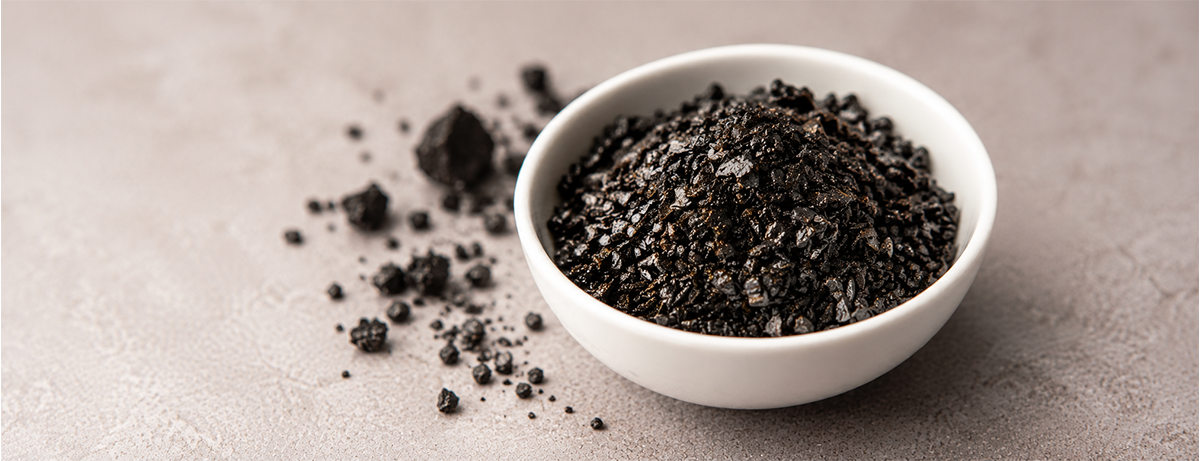
Shilajit is a naturally occurring, resin-like substance that seeps from rocks in high mountain ranges, most famously the Himalayas.
2What is shilajit used for?
Early human research has explored shilajit for areas including muscle function, bone health and sexual health, but the evidence is still emerging.
3How to choose a shilajit supplement
Look for products that clearly explain how the ingredient has been purified and processed. The word ‘pure’ on its own isn't a guarantee of quality.
From the Himalayan mountains to your supplement shelf, shilajit has had quite the journey. This dark, sticky substance has been used in traditional Ayurvedic medicine for centuries but has recently found a new audience in the modern wellness world.
But what is shilajit actually used for? And does the science support the increasingly long list of benefits associated with it? With help from Molly Sykes, our Registered Associate Nutritionist, we're exploring the science, potential benefits and what to look for when choosing a shilajit supplement.
What's shilajit?
Shilajit is a dark, sticky substance that naturally forms in mountain rocks, particularly in the Himalayas. “It's made up of a mixture of minerals and compounds formed as plant material breaks down over time,” says Molly.1 Its exact make-up can vary depending on where it comes from and how it's processed. One of its most interesting components is fulvic acid, a naturally occurring compound that's caught researchers' attention. It's this unusual mix of compounds that's got scientists curious about what shilajit might actually do in the body.
But not all shilajit is the same. Its make-up can vary depending on where it comes from and how it's processed, making product quality and testing particularly important. Today, you'll find shilajit in supplements marketed for everything from energy and exercise performance to men's health and fertility. But traditional use doesn't automatically mean proven benefits.

What are the potential benefits of shilajit?
Before we go into where the ingredient has shown promise and what the research has to say, Molly tells us: “Early human research has explored shilajit for areas including muscle function, bone health and sexual health, but the evidence is still emerging. These findings need to be replicated in larger, high-quality studies before firm conclusions can be drawn.”
Shilajit and men's health
One of the most researched areas of shilajit is men's health, particularly testosterone and reproduction. In one study, healthy men aged 45–55 took 250mg of purified shilajit twice daily for 90 days. Researchers reported increases in testosterone compared with placebo, although the high dropout rate limits how confidently we can interpret the findings.2
There's also some early research into sperm health. A small study reported improvements in sperm count and motility, however the study didn't include a comparison group, so this makes it difficult to tell whether shilajit was responsible for the improvements.3
Shilajit and women's health
In a 48-week study of 60 postmenopausal women with low bone density, those taking shilajit lost less bone density in their spine and hip than those taking a placebo.4 It's an interesting finding, especially because after menopause, falling oestrogen levels can speed up bone loss. But one study isn't enough to say shilajit supports bone health. And there's currently little evidence for its effects on female hormones, fertility or menopause symptoms.
Shilajit, energy and exercise
Shilajit is often talked about for energy, stamina and physical performance, and researchers are looking at why. Early studies suggest shilajit may influence how our cells use energy and respond to damage.5 But whether that translates into feeling more energetic or performing better during exercise isn't yet clear.5
Is shilajit safe?
Shilajit may be safe when it's properly purified and quality-controlled, but ‘natural’ doesn’t automatically mean safe. Unpurified or poorly processed shilajit may contain harmful contaminants, including heavy metals such as lead, mercury and arsenic. There's also limited evidence on its long-term safety in humans.
So, if you choose to use shilajit, opt for a reputable, purified product that has been independently tested for heavy metals and other contaminants – and speak to your GP before trying a new supplement.1
Who should seek medical advice before taking shilajit?
If you're pregnant or breastfeeding, have an existing medical condition, or take regular prescription medication, speak to your GP or another healthcare professional before taking shilajit.6 The same applies if you're considering shilajit because of unexplained symptoms such as persistent fatigue, changes in sexual function or concerns about your hormones. Supplements shouldn't be used as a substitute for finding out what's causing these symptoms.6
How do you take shilajit?
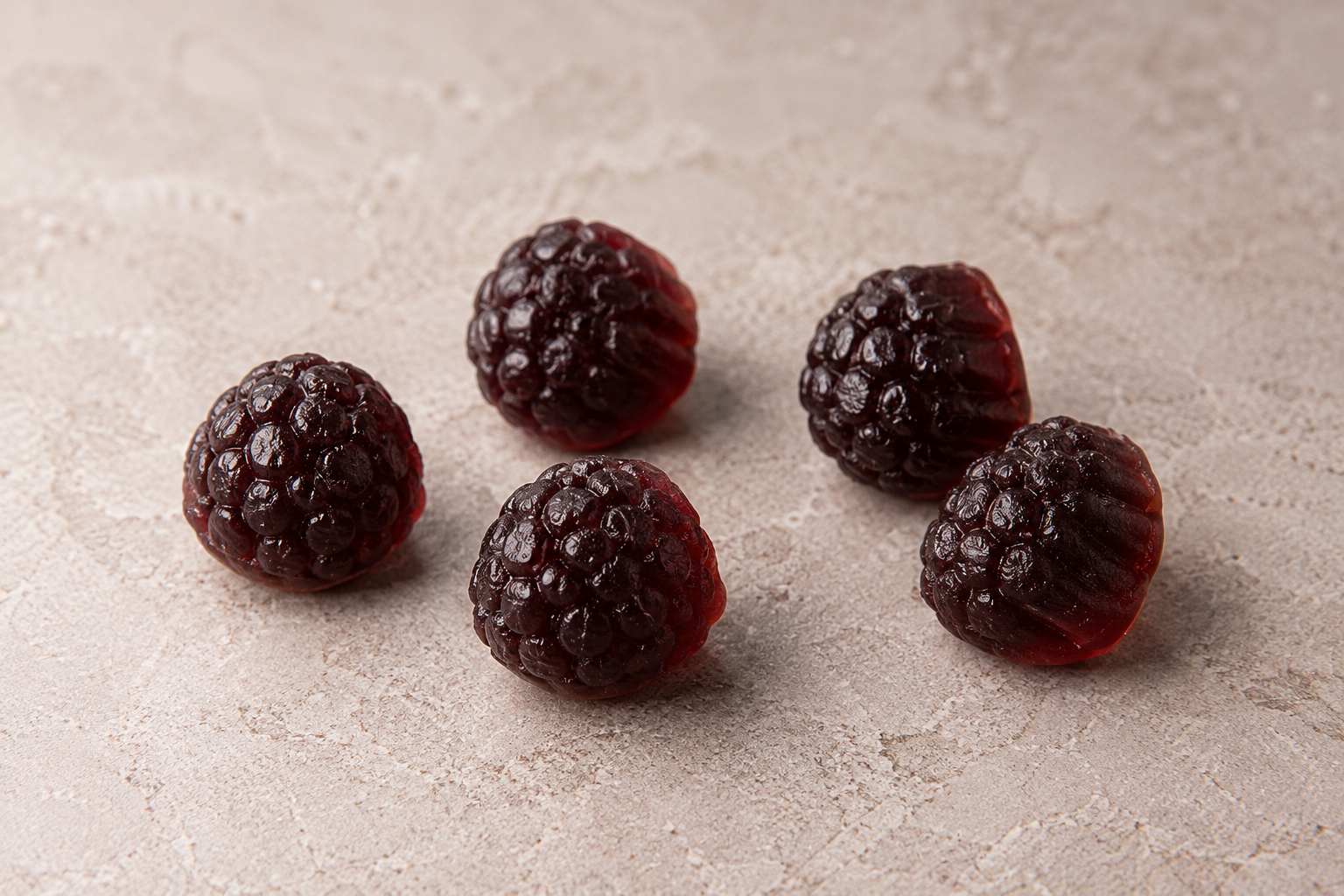
Shilajit comes in different forms, including capsules, powders, gummies and resin, so you can choose whichever suits your routine. But there's no agreed daily dose, and amounts can vary between products. Always follow the instructions on the label and look for products that have been tested for quality and purity.
How to choose a shilajit supplement
With shilajit, product quality deserves just as much attention as the ingredient itself. Here are some things to look for when choosing a supplement.
Raw or unprocessed shilajit may contain unwanted contaminants. Look for products that clearly explain how the ingredient has been purified and processed. The word ‘pure’ on its own isn't a guarantee of quality. A product calling itself ‘pure shilajit’ should still provide meaningful information about its source, processing and testing.
Look for evidence that the finished product has been tested for contaminants, particularly heavy metals and microbial contamination. Ideally, the manufacturer should be able to provide a certificate of analysis (COA) or other credible testing information showing what was tested and the results. This is particularly relevant for shilajit because research has found significant variation in the elemental composition of different samples.7
A good supplement label should make it clear:
how much shilajit is provided per serving
what form of shilajit is used
whether the ingredient has been purified or standardised
what other ingredients are included
how the product should be taken
who should avoid the product or seek medical advice
Be cautious about products making dramatic promises, particularly claims that a supplement can diagnose, treat or cure a medical condition. In the UK, food supplements mustn't be marketed as products that treat, prevent or cure disease.8
Shilajit FAQs
Shilajit is a complex, naturally occurring substance rather than a single ingredient. It forms over long periods in mountainous regions and contains a mixture of organic compounds, minerals and humic substances, including fulvic compounds.1 Its exact composition can vary depending on where it comes from and how it’s processed, which is why sourcing and purification are important when choosing a supplement.
Shilajit gummies can be a convenient way to take shilajit, but the format itself doesn't make the ingredient more or less effective. What matters is how much shilajit the product contains, whether it's been properly purified and whether its quality has been independently tested. As research has generally focused on specific shilajit preparations rather than gummies, there isn't currently enough evidence to say that shilajit gummies offer the same effects as the preparations used in clinical studies.
There's no scientifically established ‘best’ time of day to take shilajit, so consistency is more important than the clock. Follow the serving instructions on your chosen product and, if you find it causes any stomach discomfort, try taking it with food. If you're taking other medicines or supplements, it's also worth checking with your GP or pharmacist to make sure shilajit is suitable for you.
The final say
Curious about trying shilajit? Don't let the hype make the decision for you. There's some interesting research, but not enough to know whether it really delivers the benefits you've probably heard about. For now, shilajit is a promising subject of research rather than a proven health solution – and one worth watching as the science evolves.
Keep learning about ingredients. Discover what the evidence says about CoQ10 and energy or learn what nootropics are.
Disclaimer – This article provides informational advice and is not a substitute for medical care. Working with experts for accuracy, we take great care to ensure the information is up-to-date and relevant. However, you should always consult your GP or healthcare professional before using supplements or alternative products, particularly if you have medical conditions or are under supervision.
1 Carrasco-Gallardo C, Guzmán L, Maccioni RB. Shilajit: A Natural Phytocomplex with Potential Procognitive Activity. International Journal of Alzheimer’s Disease [Internet]. 2012 [cited 2026 Oct 26];2012:1–4. Available from: https://www.ncbi.nlm.nih.gov/pmc/articles/PMC3296184/
2 Pandit S, Biswas S, Jana U, De RK, Mukhopadhyay SC, Biswas TK. Clinical evaluation of purified Shilajit on testosterone levels in healthy volunteers. Andrologia. 2015 Sept 22;48(5):570–5.
3 Biswas TK, Pandit S, Mondal S, Biswas SK, Jana U, Ghosh T, et al. Clinical evaluation of spermatogenic activity of processed Shilajit in oligospermia. Andrologia [Internet]. 2010 Feb 1 [cited 2026 Oct 26];42(1):48–56. Available from: https://pubmed.ncbi.nlm.nih.gov/20078516/
4 Usharani P, Chandrasekhar N. Shilajit extract reduces oxidative stress, inflammation, and bone loss to dose-dependently preserve bone mineral density in postmenopausal women with osteopenia: A randomized, double-blind, placebo-controlled trial. Phytomedicine. 2022 July;154334.
5 Keller JL, Housh TJ, Hill EC, Smith CM, Schmidt RJ, Johnson GO. The effects of Shilajit supplementation on fatigue-induced decreases in muscular strength and serum hydroxyproline levels. Journal of the International Society of Sports Nutrition. 2019 Feb 6;16(1).
6 Food Standards Agency. Food supplements guidance [Internet]. GOV.UK. 2026 [cited 2026 Oct 26]. Available from: https://www.gov.uk/government/publications/food-supplements-guidance-for-consumers/food-supplements-guidance
7 Shilajeet - an overview | ScienceDirect Topics [Internet]. www.sciencedirect.com. [cited 2026 Oct 26]. Available from: https://www.sciencedirect.com/topics/pharmacology-toxicology-and-pharmaceutical-science/shilajeet
8 MHRA. MHRA Guidance Note 8: A guide to what is a medicinal product [Internet]. London: MHRA; 2025 Sept [cited 2026 Oct 26]. Available from: https://assets.publishing.service.gov.uk/media/6a747082bde92a23046b246e/GN8_FINAL_20260806.pdf


